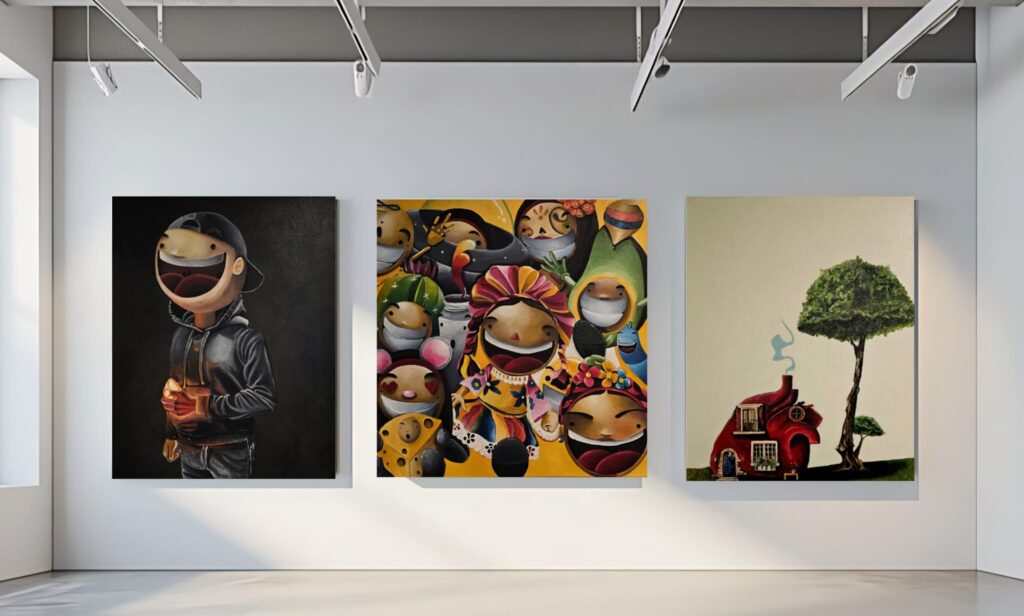
Unique gallery art that will make your space stand out
Unique Gallery Art That Will Make Your Space Stand Out
Art galleries have been spaces for centuries where works by established and emerging artists are displayed, serving as showcases of creativity and culture. From the European art salons of the 18th century to modern contemporary galleries, these spaces have allowed the public to discover new trends and artistic styles.
Beyond mere exhibition, galleries act as catalysts for inspiration, connecting viewers with history, emotions, and the artist’s vision. Their importance lies in curation: each piece is selected and presented in a way that creates a visual and emotional impact.
Fun Fact:
Some contemporary galleries experiment with interactive installations where visitors can change the lighting or arrangement of artworks, making each visit unique.
The Fascinating World of Art Galleries
Influential Artists Shaping Trends
-
Pablo Picasso: pioneer of Cubism, whose works revolutionized perspective and form.
-
Andy Warhol: pop art icon who transformed everyday objects into iconic pieces of popular culture.
-
Yayoi Kusama: known for her infinite installations and repetitive dots that create immersive experiences.
-
Jeff Koons: famous for reinterpreting everyday objects with bright colors and monumental forms.
Getting to know these artists helps us understand how gallery art evolves and how it can inspire home decoration and personal style.
Several artists have defined the aesthetics of gallery art:
-
Modern galleries often mix disciplines: painting, sculpture, photography, and digital installations.
-
Some artists create works that evolve over time, changing color, form, or light based on viewer interaction.
-
Gallery art auctions can reach millions of dollars, showing that contemporary works can also hold significant value.
Interesting Facts About Gallery Art
Modern and contemporary art also offers opportunities for interaction:
Virtual galleries: Apps allow you to preview how a work will look on your wall before purchasing it.
Rotating artwork: Change the artwork on display monthly or seasonally to keep your space fresh.
Interactive art: Some works respond to light, movement, or sound, offering unique experiences at home.
Interactive Ideas for Integrating Gallery Art into Your Home
Incorporating gallery art not only beautifies a space but also adds cultural, emotional, and aesthetic value:
-
Cultural: connects with art history and contemporary movements.
-
Emotional: each piece can tell a story or reflect a significant moment.
-
Aesthetic: defines the style of your home and adds personality to every corner.
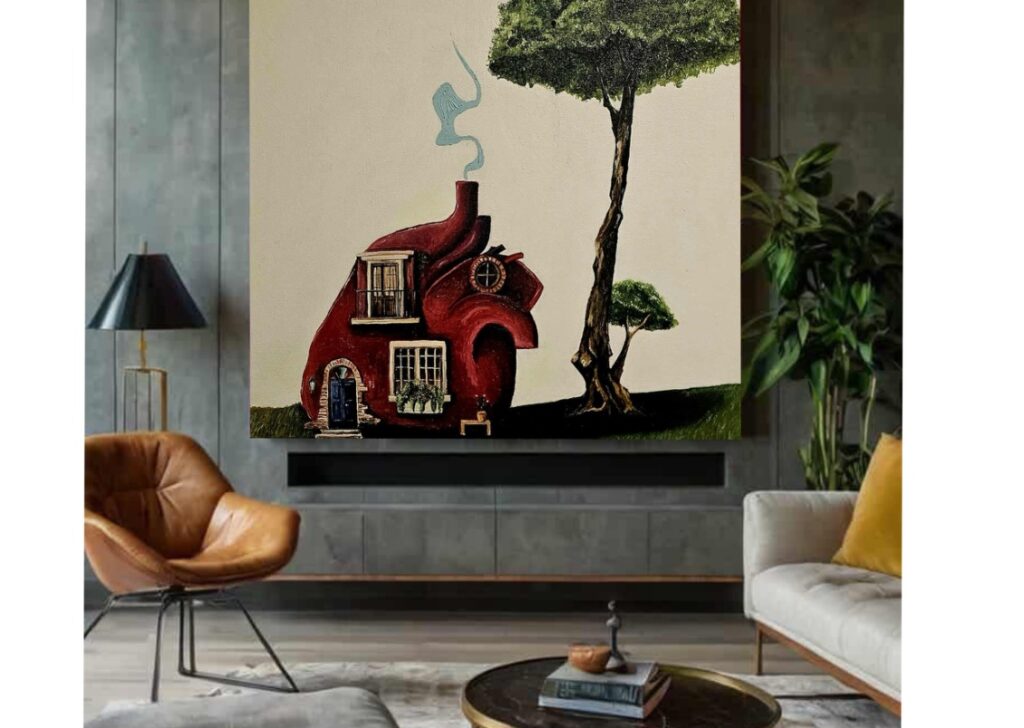
Even small pieces can completely transform a space, turning ordinary areas into sources of inspiration and creativity.
The Value of Gallery Art in Home Decoration
-
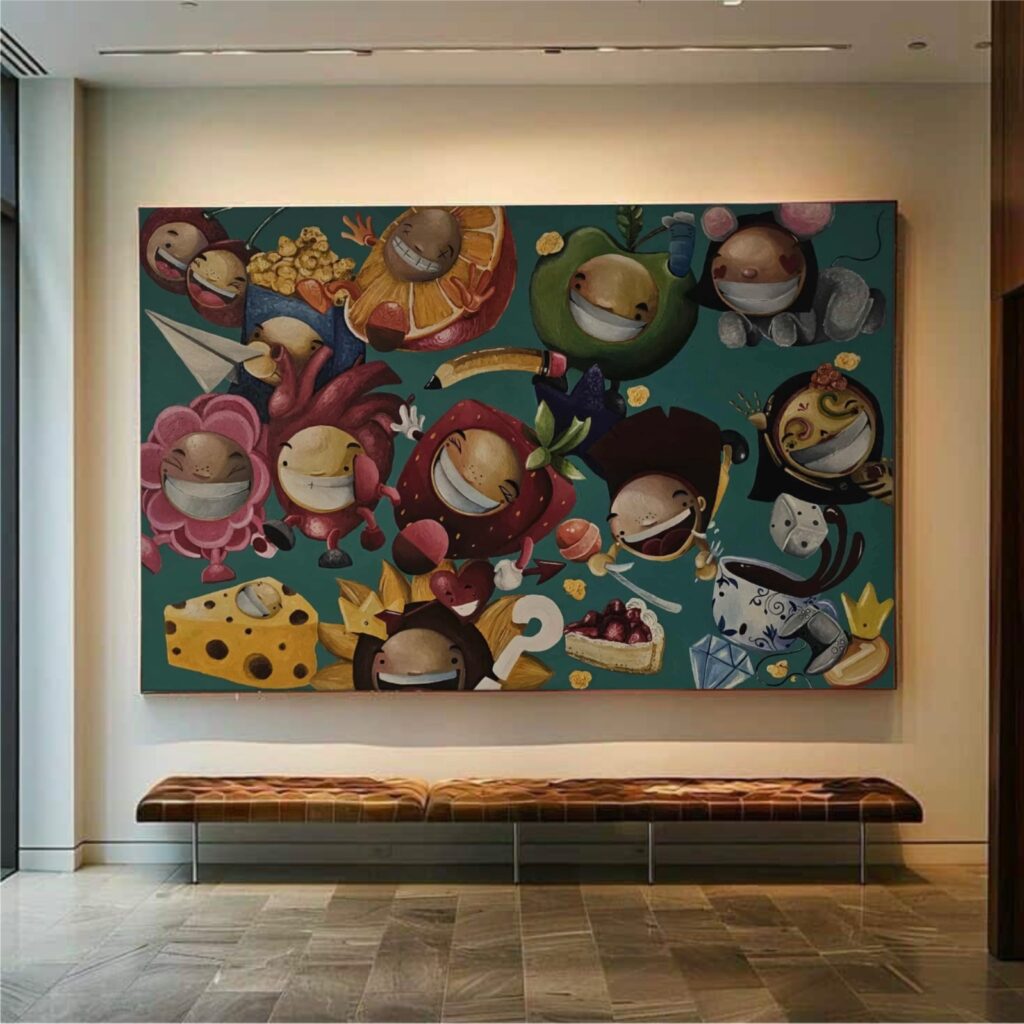
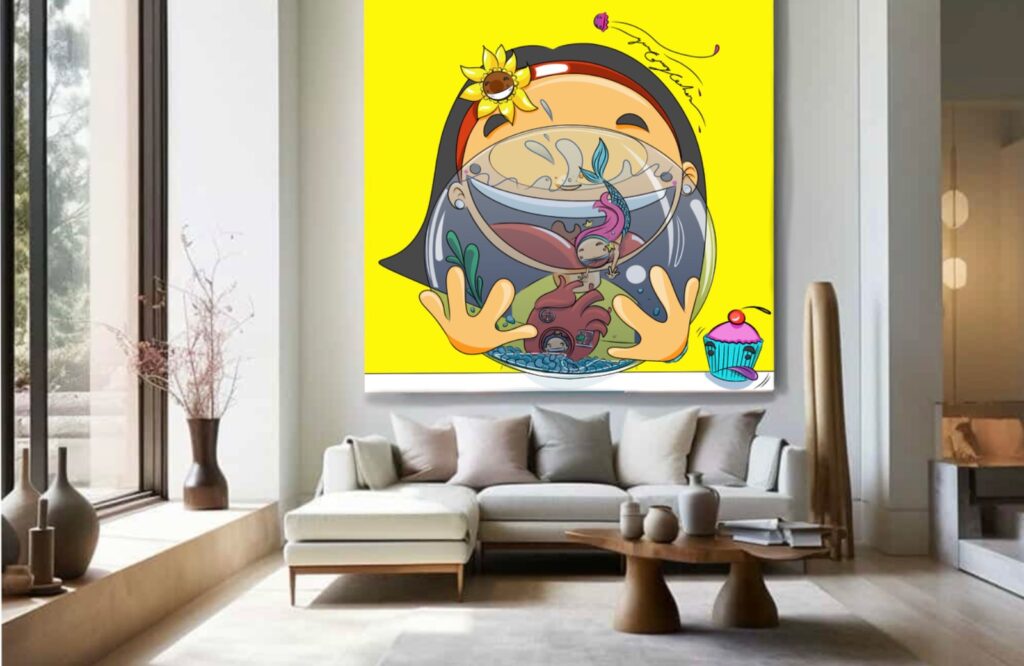
Start with a focal point: a wall or prominent corner for the main piece.
-
Mix sizes and styles: create visual interest with large and small, abstract and figurative works.
-
Use technology: digital frames, lighting, and projections can enhance the experience.
-
Tell a story: each piece can reflect emotions, journeys, or memories, turning your home into a visual narrative.
-
Using these strategies, your home becomes an inspiring and creative space where every visitor can enjoy and connect with art.
Tips for Decorating with Unique Gallery Art